
Inside Sesimi - Latest News and Stories
Stay up to date with the latest news and insights from the Sesimi team.
The 2026 Marketing Playbook: Insights from Brand Innovators Chicago and Seattle
Published on 2 June 2026 by Sesimi Editorial
Across two Brand Innovators events in Seattle and Chicago, marketing leaders from brands including Microsoft, Starbucks, Zillow, Taco Bell, Hershey, Suntory, PepsiCo, Gatorade, Olipop, Whirlpool, Ferrero, Grubhub, and Sesimi explored the forces reshaping modern marketing.
While the sessions covered everything from AI and media buying to personalization and brand storytelling, the same themes surfaced repeatedly. AI is changing how work gets done. Customer attention is becoming harder to earn. Personalization is becoming an expectation rather than a differentiator. And as technology accelerates execution, human judgement is becoming more valuable.
Together, these discussions provide a practical view of what marketing leaders are prioritising in 2026.
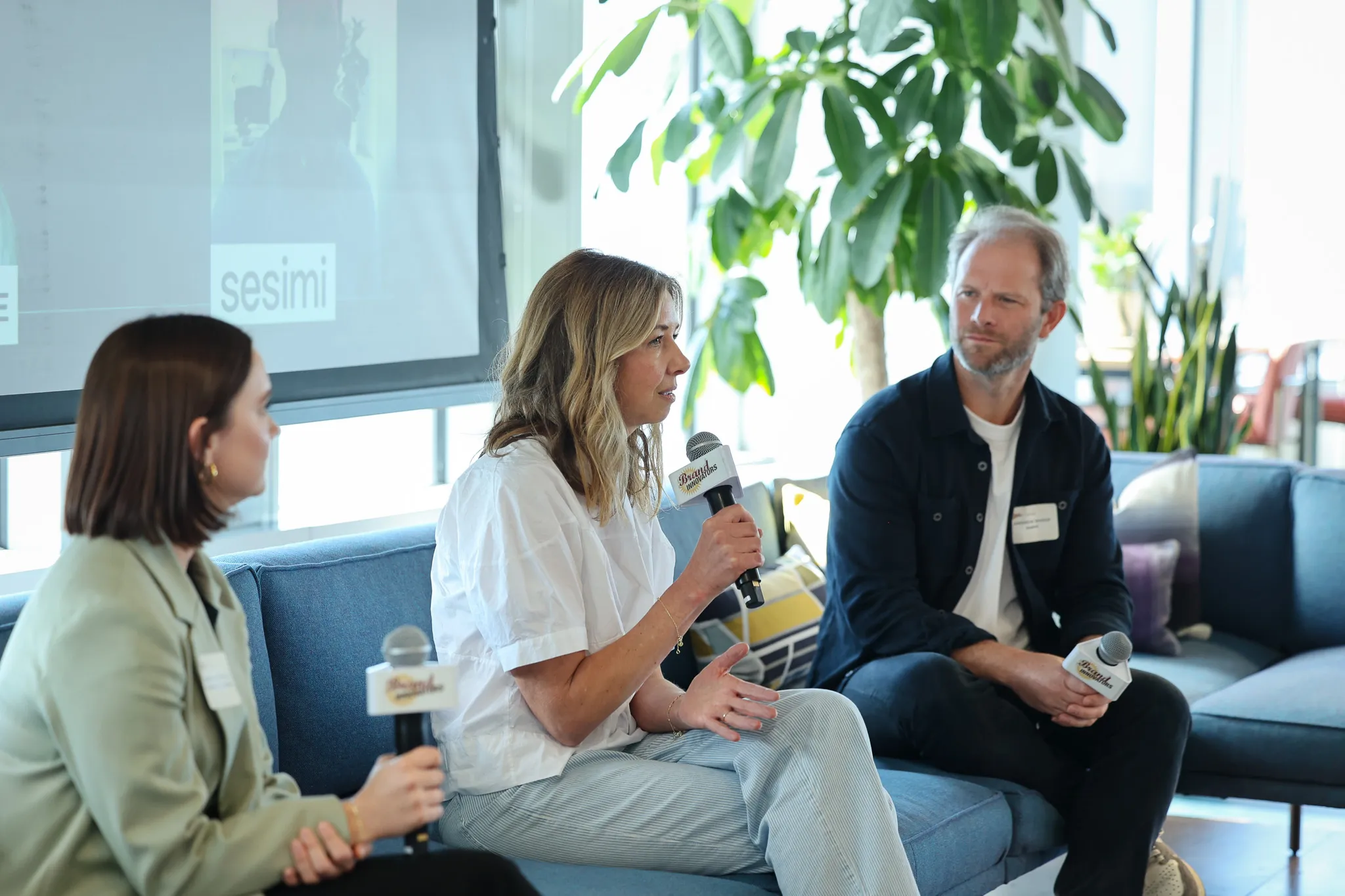
Andy Baker, Founder and CEO of Sesimi, leads a discussion on changing consumer expectations, relevance, convenience, and value in modern marketing.
| Quick Takeaways From Brand Innovators Chicago and Seattle |
|---|
| AI removes execution bottlenecks, but human judgement remains the competitive advantage. |
| Attention is becoming scarcer than content. |
| The most effective marketing is increasingly personalised and context driven. |
| As AI scales production, brand distinctiveness becomes more valuable. |
| Partnerships and experiences create stronger customer connection than promotion alone. |
| Technology can automate delivery, but storytelling remains human. |
1. Use AI to Remove Friction, Not Creativity
AI was a major theme across both events, but the conversation has moved beyond experimentation.
Speakers consistently described AI as an execution tool rather than a creative replacement. Content production, campaign deployment, and workflow management can all be accelerated, but taste, judgement, and strategic thinking remain human responsibilities.
"AI is not giving you new ideas. It's regurgitating what's worked. Creativity and newness, to get something that's breakthrough and new, that has to come from humans."
Jordan DeCosmo, Senior Brand Manager, JennAir (Whirlpool)
This reflects a growing focus on using intelligent systems to accelerate content delivery, while maintaining the controls needed to protect brand quality and consistency.
Marketing Takeaway
- Automate execution.
- Keep humans responsible for judgement.
- Build governance before scaling production.
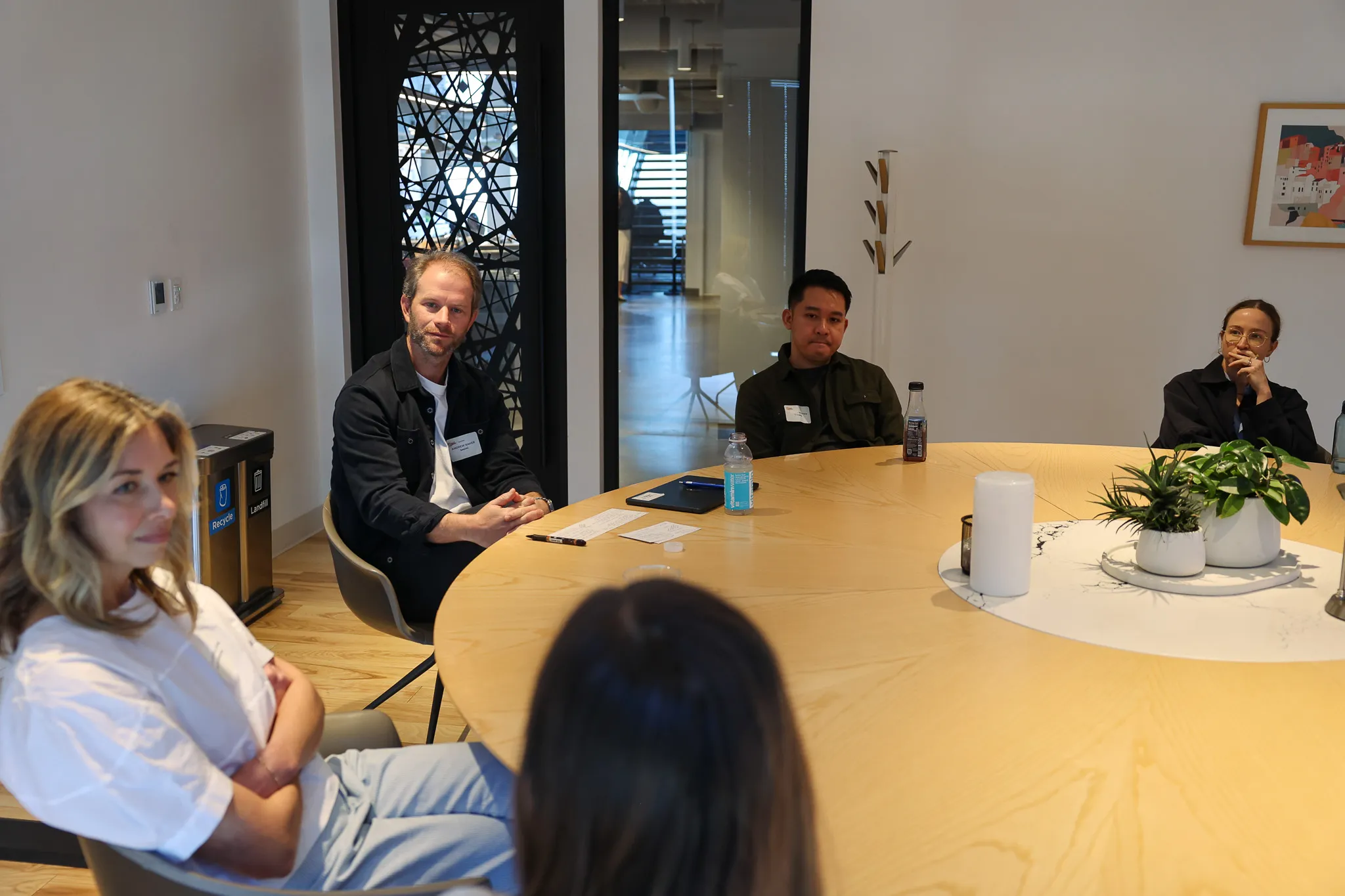
Marketing leaders share perspectives on consumer behaviour, customer relevance, and designing more intuitive customer experiences.
2. Design for Attention, Not Output
As content creation becomes easier, attention is becoming harder to earn.
Across both events, speakers highlighted the challenge of reaching increasingly fragmented audiences while delivering more with leaner teams and tighter budgets. The focus is shifting away from channel level optimisation and towards understanding how customers engage with brands across the entire journey.
"It's not a channel measurement anymore. It's about the signal that passes through how a customer is reacting to the brand across all of these channels."
Madhu, Global Media Strategy, Suntory Spirits
The brands winning attention are typically those creating content that feels more relevant to their audience and circumstances.
Marketing Takeaway
- Measure attention, not content volume.
- Optimise journeys, not channels.
- Build stronger audience signals.
3. Relevance Beats Reach
Personalization surfaced across discussions on media, loyalty, customer experience, and AI.
Leading brands are increasingly focused on delivering the right message, offer, product, and experience at the right moment. Whether through loyalty programs, AI recommendations, or audience-specific creative, the goal is the same: greater relevance.
Speakers also highlighted the growing importance of Answer Engine Optimisation (AEO) as consumers increasingly turn to AI-powered search and recommendation tools for answers.
Marketing Leader Takeaway
- Deliver the right message.
- Deliver it at the right time.
- Optimise for AI discovery.
4. Distinctiveness Becomes More Valuable
As AI enables brands to create more content across more channels, maintaining a distinctive identity becomes increasingly important.
Several speakers warned that as organisations adopt similar AI tools and workflows, the risk is not just inconsistency but sameness. Brands that lose their point of view in pursuit of efficiency risk becoming interchangeable. As organisations continue scaling global brands without losing brand consistency, maintaining a clear identity becomes a significant competitive advantage.
Marketing Takeaway
- Protect brand identity.
- Create governance early.
- Avoid AI-generated sameness.
5. Give People a Reason to Care
Technology may be changing how brands communicate, but experiences, partnerships, and communities remain powerful drivers of brand affinity.
Across both events, speakers emphasised the importance of creating value before asking customers to convert. The strongest partnerships were built around shared audiences, aligned values, and authentic customer experiences.
"Be purposeful in your intention with the collaboration. It's not just to make noise. It has to have layers beneath that."
David Kowalski, Brand Manager, Olipop
Several discussions also highlighted the growing role of creators, communities, and earned media in building trust and extending reach. Many of the same principles apply when scaling local marketing across distributed networks, where local relevance and brand consistency must work together.
Marketing Takeaway
- Invest in experiences.
- Build partnerships with purpose.
- Use creators strategically.
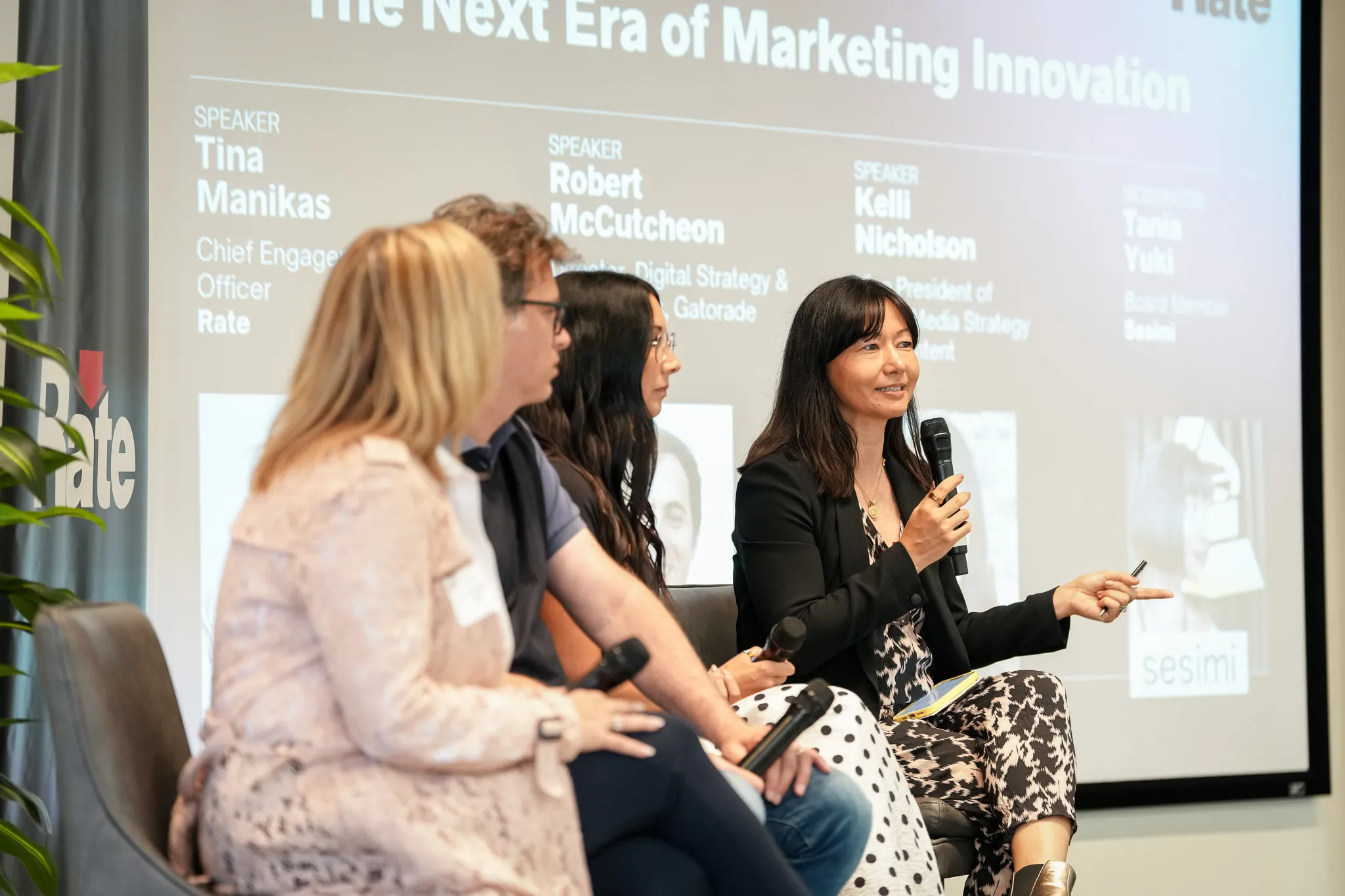
Tania Yuki, Board Member at Sesimi, moderates The Next Era of Marketing Innovation panel exploring how AI, data, culture, and commerce are reshaping marketing.
6. Storytelling Becomes A Secret Weapon
One theme surfaced repeatedly across both events: technology can optimise delivery, but meaning still comes from people.
While AI can generate copy, summarise information, and create content variations, speakers argued that authentic storytelling remains one of the few areas where humans retain a clear advantage.
"AI is a great collaboration partner, but you still need human teams for the validation and the authentication."
Jordan DeCosmo, Senior Brand Manager, JennAir (Whirlpool)
Several speakers suggested that human storytelling retains an advantage because it draws on lived experience rather than pattern recognition alone.
This is ultimately the challenge facing modern marketers: determining how marketers can use AI to innovate and grow while preserving the human qualities that make brands memorable.
Marketing Takeaway
- Use AI to support stories.
- Do not outsource meaning.
- Keep human experience at the centre.
What This Means for Marketing Teams
The 2026 Priorities
- Use AI where it removes friction.
- Keep humans involved in strategic decisions.
- Focus on relevance rather than volume.
- Build systems that support consistency.
- Create experiences that deliver value.
- Continue telling stories that people care about.
Across both Brand Innovators events, one message emerged consistently: technology is changing how marketing gets done, but not what makes it effective.
The brands best positioned for 2026 will be those that combine the speed and scale of AI with the judgement, creativity, and customer understanding that technology cannot replicate.
FAQ
What is Brand Innovators?
Brand Innovators is a marketing leadership community that hosts events bringing together senior marketers from leading global brands to discuss emerging trends, technology, customer engagement, brand growth, and the future of marketing.
What were the major themes discussed at Brand Innovators Chicago and Seattle?
Across the sessions, speakers discussed AI adoption, customer attention, brand distinctiveness, personalization, measurement, customer experience, storytelling, data infrastructure, and the role of human judgement in an increasingly AI-enabled marketing environment.
Why is storytelling still important in an AI-driven marketing environment?
Storytelling remains important in an AI-driven marketing environment because AI can accelerate content production, but human stories are still what create emotional connection, build trust, and differentiate brands in increasingly crowded and automated markets.
See How Sesimi Helps Brands Scale Modern Marketing
As brands create more content, personalise more experiences, and activate across more channels, maintaining consistency becomes increasingly challenging.
Sesimi helps organisations centralise brand assets, automate content production, enable local execution, and maintain governance at scale.

Read other relevant blog posts:
 What AADA 2026 Signals About the Future of Dealer MarketingExplore what AADA 2026 signals for dealer marketing, from local strategy + faster execution to smarter spending, connected systems + measurement.
11 Aug 2026 • Sesimi Editorial
 What Cannes Lions 2026 Revealed About the Future of Brand ManagementCannes Lions 2026 showed how AI, creators and connected platforms are changing brand management for enterprise and distributed marketing teams.
8 July 2026 • Sesimi Editorial
 What Franchise Leaders Are Prioritising in 2026: Insights from FGMCInsights from FGMC 2026 reveal how franchise brands are improving local execution, franchisee adoption, data visibility, AI readiness, and business performance.
16 June 2026 • Sesimi Editorial